
Things to Do in Burkina Faso in February
February weather, activities, events & insider tips
Shoulder Season · Good Value
February Weather in Burkina Faso
Temperature, rainfall and humidity at a glance
96°F (35°C)
High Temp
66°F (19°C)
Low Temp
0.0 inches (0 mm)
Rainfall
70%
Humidity
⚠ UV index hits 8. Very High. Cream up. Cover up. 10 AM to 4 PM is fierce.
Is February Right for You?
Weigh the advantages and considerations before booking
Advantages
- + February lands smack in Burkina Faso's dry season. Expect sun, golden light, zero furnace heat.
- + Harmattan fades by February. Air clears. Savanna views sharpen. Mud-brick mosques glow.
- + Last easy month before the blast furnace. Hike Sindou Peaks now. Visit remote villages.
- + Markets explode with dry-season bounty. Mangoes, cashews, peanuts pile high. Colors pop.
Considerations
- − Don't be fooled by the '0 mm' rainfall - those 10 rainy days are a statistical quirk referring to trace amounts. The real issue is the Harmattan dust, which can linger into early February, casting a pale film over everything and making the distant horizon vanish into a monochrome beige.
- − Peak intra-West Africa travel. Flights from Abidjan or Accra fill fast. Book early.
- − Days hit 96°F (35°C). Nights drop to 66°F (19°C). Pack layers. Stone floors stay cold.
Best Activities in February
Top things to do during your visit
Sindou Peaks Hiking and Exploration
Sindou Peaks shine in February. Trails firm, shadows long, heat tame. Climb 500m without gasping. Wind whistles through canyons. Dust motes dance. Tagouara falls trickle. Yet pools invite.
Booking Tip: A local guide from the village of Sindou is not just recommended but essential for navigating the maze-like paths and understanding the cultural significance of the site. These arrangements are best made on the ground a day or two in advance. Look for community-based tourism associations. For more structured day trips from Bobo-Dioulasso, see current options in the booking section below.
Mud-Brick Mosque Tours in Bobo-Dioulasso
The Great Mosque of Bobo-Dioulasso, with its towering, wooden-supported minarets and earthen walls, is a masterpiece of Sudano-Sahelian architecture. Visiting in February means you avoid the risk of sudden downpours that can temporarily close access and turn the surrounding paths to mud. The low humidity helps preserve the intricate details of the structure. The light in late afternoon is magnificent, turning the clay walls a deep, warm orange. You'll smell the aged wood of the beams and hear the calls to prayer echoing from a mosque that has stood for centuries.
Booking Tip: No formal booking is needed to visit the exterior. But to enter and learn about the history and ongoing restoration work, you'll need to coordinate with a caretaker on-site. For a deeper cultural context that includes the old Dioulasso-Bâ district and the sacred fish pond, consider a half-day guided walking tour - see what's available in the booking widget for Bobo-Dioulasso.
Traditional Weaving and Textile Workshops
Burkina Faso is a center for West African textile arts, the famous Faso Dan Fani cotton cloth. February, being dry, is when many dyers and weavers work outdoors. In areas like Koudougou or smaller villages near Ouagadougou, you can watch the entire process under the bright sun: the pounding of indigo leaves in wooden mortars releases a sharp, earthy smell, the cotton threads drying on lines create a crackling sound in the breeze, and the rhythmic clack of the handlooms is a constant background hum. The colors appear more vivid against the dry-season landscape.
Booking Tip: These are family courtyards, not tours. Hire a driver-guide who knows open doors. Ask for cultural specialists.
Sunset Viewing at the Sculptures of Laongo
The granite outcrops at Laongo, carved by artists from around the world, take on a special quality in February. The granite, still warm from the day's sun, radiates heat you can feel on your skin as you walk among the sculptures. As the sun dips, it backlights the dust in the air, creating a hazy, golden glow that makes the artworks appear to float above the plain. The silence out here is profound, broken only by the call of distant birds. It's a contemplative experience best enjoyed in the dry season's clear, insect-free evenings.
Booking Tip: The site is about an hour's drive from Ouagadougou. You don't need a tour to visit. But arranging a car and driver for the afternoon is the most practical way to get there and back comfortably. Many drivers know the best spots for the sunset view. Check the booking section for day-trip options that include Laongo.
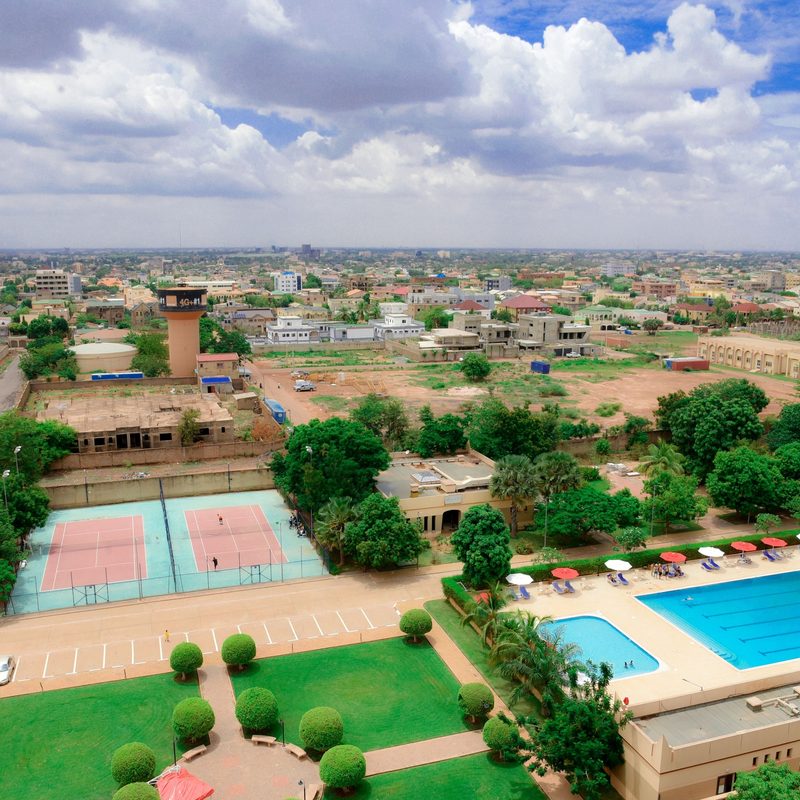
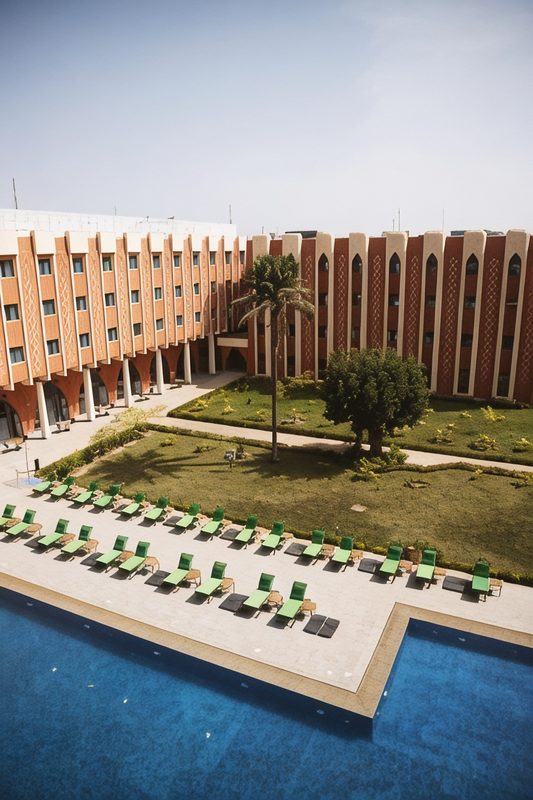
Where to Stay in Burkina Faso in February
Hand-picked hotels across price tiers for February travellers.
Packing Checklist
Bookmark this page — your progress is saved between visits
Need the full list with shopping links?
Climate-specific gear, brand recommendations, and what to leave at home.
View Burkina Faso Packing List →Essential Tips
Insider knowledge and common pitfalls to avoid
Insider Knowledge
Skip midday street food in Ouagadougou. Heat fades at 5 PM. Vendors fire up near Marché de Ouagadougou and Avenue Kwame Nkrumah. Follow grill smoke for sobro skewers and sizzling aloko plantains. Taste the piment sauce gently.
Fill the tank at every city pump. Stations thin south toward Cascades and west into cotton country. Hours turn whimsical.
Hunt a residential maquis in Bobo-Dioulasso. Ivorian coupé-décalé pumps. Charcoal smoke curls over grilling chicken. Flag beer or bissap flows cold. Community lives here.
Cover shoulders and knees at sacred sites. Mosque, grove, shrine, same rule. Respect unlocks doors.
Avoid These Mistakes
The 350 km (217 mile) Ouaga-Bobo road looks fine. Trucks, bikes, goats share it. Four hours is fantasy. Budget five or six.
Don't cram Banfora, Sindou, and Bobo into one week. You'll stare at dust through a windshield. Choose one base. Dig deep.
February 'rainy days' can mean ten minutes of red dust mist. A squall blows over fast. Keep plans. Pack a scarf.
Ready to plan your trip to Burkina Faso?
Now that you've got the research covered, here's where to go next.
Explore More Activities in Burkina Faso
Didn't see anything interesting yet?
Browse Viator's full catalog of tours, day trips, food experiences, and private guides in Burkina Faso.
See All Burkina Faso Tours on Viator