Things to Do in Burkina Faso in June
June weather, activities, events & insider tips
Low Season · Budget Friendly
June Weather in Burkina Faso
Long-run averages for June in Ouagadougou
94°F (34°C)
High Temp
75°F (24°C)
Low Temp
3.8 inches (97 mm)
Rainfall
60%
Humidity
11
Sunny-Day UV
⚠ June brings Burkina Faso's rainy season. Storms hit suddenly. They dump 30-40 mm (1.2-1.6 inches) in under an hour. Flash flooding threatens low-lying Ouagadougou neighbourhoods. Dassasgho and peripheral quartiers face particular risk along drainage channels. Avoid these areas during and after storms. Never walk or drive through flooded roads. Depth and current deceive. Stay put. Wait it out.
⚠ Malaria surges with the rains. Burkina Faso carries among the world's highest malaria burdens. June through October marks peak season. Prophylaxis is mandatory. Repellent is mandatory. Treated mosquito nets are mandatory. These are not optional. Seek immediate medical attention for any fever or flu-like symptoms during or after travel. Do not delay.
⚠ Security risks parallel weather hazards. An active insurgency affects large areas outside the Ouagadougou-Bobo-Dioulasso corridor. Consult your government's current travel advisory before booking. Maintain embassy contact. Travel major routes only. Travel daylight hours only. Avoid areas with elevated advisory levels. These steps are essential. They are not excessive.
Is June Right for You?
Weigh the advantages and considerations before booking
Advantages
- + June marks the transition from the Sahel's punishing dry heat into the early rains, and the landscape shift is dramatic. The parched laterite plains around Ouagadougou, cracked and ochre-brown through April and May, begin flushing green within days of the first downpours. Temperatures in Ouagadougou drop from April's searing 39°C (102°F) average high to a comparatively manageable 34°C (94°F), and the air, while humid at around 60%, no longer carries the fine harmattan-season dust that coats your teeth and camera lenses. For photographers and anyone who wants to see the Sahel at something other than its harshest, this is the month the country starts to breathe again.
- + Tourism infrastructure in Burkina Faso has always been thin. But June thins the visitor numbers further still. The handful of travelers who do come tend to be researchers, NGO workers rotating through, or West Africa regulars who know the rhythms. At sites like the Ruins of Loropéni, the UNESCO-listed stone fortifications near the Ghanaian border, or the sacred crocodile pools of Bazoulé about 30 km (19 miles) southwest of Ouagadougou, you will likely have the place largely to yourself. That solitude has a quality you do not get in high-season destinations: the caretakers and local guides have time, and conversations unspool at the pace the culture moves.
- + June is the tail end of mango season, and the markets in Ouagadougou's Rood Wooko and Bobo-Dioulasso's Grand Marché still overflow with varieties you will never see exported. The small, fibrous mangoes the Burkinabè call mangues de brousse have a resinous sweetness nothing in a Western supermarket can approximate. Street-side grills fire up poulet bicyclette in the cooler evenings, the wood smoke mingling with petrichor from the afternoon rain, and dolo brewers in the Boulmiougou and Dapoya neighbourhoods of Ouagadougou ladle out the thick, sour millet beer from calabash gourds. The food in Burkina Faso tends to be overlooked by travel writing that fixates on Senegalese or Ivorian cuisine, and that oversight is the traveler's gain: tô, the stiff millet or sorghum porridge served with a slippery okra sauce or a fiery peanut-tomato stew, is the kind of dish that rewards attention and a willingness to eat with your hands.
- + Accommodation rates, already modest by global standards, drop further in June. Guesthouses and small hotels in Ouagadougou and Bobo-Dioulasso that fill during FESPACO in February or the Semaine Nationale de la Culture have wide availability now. Booking a week ahead is more than sufficient for most places, and you will often find yourself upgraded simply because rooms are empty. The early rains also mean cooler nights, with lows around 24°C (75°F), which makes a difference if your room relies on a ceiling fan rather than air conditioning.
Considerations
- − The security situation across much of Burkina Faso remains serious and cannot be softened with travel-writing optimism. Since 2015, jihadist insurgency has rendered large sections of the north, east, and parts of the southwest effectively inaccessible to civilian travelers. Military governance since 2022 has stabilized Ouagadougou and Bobo-Dioulasso to a degree. But the security perimeter is not fixed, and conditions outside major cities shift without public warning. Every Western government's travel advisory as of early 2027 advises against travel to most of the country and warns of kidnapping risk even in areas previously considered stable. If you go, you are accepting a risk profile unlike anything in conventional tourism. Confine your movement to Ouagadougou, Bobo-Dioulasso, and the corridor between them, travel only by day, and register with your embassy.
- − June's rains arrive as intense, short-lived storms rather than steady drizzle, and they can be violent. A single downpour can dump 30-40 mm (1.2-1.6 inches) in under an hour, turning Ouagadougou's unpaved side streets into ankle-deep red mud within minutes. Drainage infrastructure is minimal, and flash flooding in low-lying quartiers like Dassasgho and Karpala is a recurring hazard. Road travel between cities becomes less predictable as laterite roads soften, and the two-lane Route Nationale 1 connecting Ouagadougou to Bobo-Dioulasso, roughly 360 km (224 miles), can see delays from washouts or trucks mired in soft shoulders.
- − Malaria transmission intensifies sharply with the onset of the rains. Burkina Faso has one of the highest malaria burdens on the continent, and June is when mosquito populations begin their seasonal explosion. Prophylaxis is not optional, it is essential. The humid evenings that make outdoor dining so pleasant also bring Anopheles mosquitoes in numbers that will find every gap in your repellent coverage. Standing water from the early storms creates breeding sites within hours, and even upscale hotels in Ouagadougou are not immune.
Best Activities in June
Top things to do during your visit
Ouagadougou Cultural and Market Walking Tours
June's slightly lower temperatures make Ouagadougou walkable in ways that April's 39°C (102°F) furnace simply does not allow. The city's cultural spine runs from the Musée National, where Mossi ceremonial masks and Lobi figurines sit in hushed, cool galleries, through to the large Rood Wooko market where the smell of dried shea butter and smoked fish hits you three blocks before you arrive. The Village Artisanal de Ouagadougou, a cooperative compound on the eastern side of the city, houses bronze casters working with the lost-wax technique the Mossi have used for centuries. You will hear the tap of hammers on metal and the hiss of molten bronze hitting clay moulds. Morning walks before the afternoon rains, roughly 7am to 11am, let you cover ground in the relative cool. The Grand Mosquée de Ouagadougou and the surrounding quartier have a quiet hum in the early hours that the midday heat silences.
Booking Tip: Licensed local guides can be arranged through hotels or cultural associations in Ouagadougou. Book two to three days ahead. The guide pool is small but professional. Look for guides who speak Mooré in addition to French. Market interactions and cultural context double in depth when someone can translate beyond tourist French. See current options in the booking section below for guided cultural experiences.
Bobo-Dioulasso Old Town and Grand Mosque Exploration
Bobo-Dioulasso sits roughly 360 km (224 miles) southwest of Ouagadougou. It is the country's cultural second city and arguably its more atmospheric one. The old Dioulasso quarter forms a labyrinth of banco mud-brick houses with hand-smoothed walls the colour of dried clay. It has a density and texture that Ouagadougou's more modern grid lacks. The Grande Mosquée de Bobo-Dioulasso is a Sudano-Sahelian mud structure bristling with timber buttresses. It ranks among the finest examples of the architectural style in West Africa. In June, the first rains darken the mosque's earthen walls to a deep umber. Caretakers begin the annual re-plastering that keeps the structure standing. The air in the old quarter smells of woodsmoke and wet earth after a storm. Narrow alleys amplify the sound of the muezzin's call in a way that open streets do not. The city's live music scene centres around open-air maquis bars in the Bolomakoté neighbourhood. It comes alive after dark when the heat breaks.
Booking Tip: The mosque requires a small donation and a local guide for entry. Guides wait at the entrance. They know the building intimately. Many come from families who have maintained it for generations. Book your Ouagadougou-to-Bobo transport at least a day ahead during the rains. Bus departures can shift. See the booking section below for Bobo-Dioulasso tour options.
Banfora Waterfalls and Dômes de Fabédougou Day Trips
The Cascades de Karfiguéla lie about 12 km (7.5 miles) northwest of Banfora in the southwest. They begin to run properly in June as the early rains feed the Comoé River system. During the dry months these falls slow to a trickle. By mid-June the water spills over the stepped sandstone ledges with enough force to throw mist onto the surrounding vegetation. The air around the falls drops several degrees in temperature. The roar of water matters. So does the cool spray on your skin after hours of Sahelian heat. The green that erupts around the riverbanks in a matter of weeks makes this one of the few places in Burkina Faso that feels lush. Combine this with the Dômes de Fabédougou. These strange rounded granite formations sit roughly 20 km (12.4 miles) west of Banfora. They look like they belong on another planet. Their surfaces warm to the touch even in the shade. June's cloud cover softens the light for photography in ways that the dry-season glare does not.
Booking Tip: Banfora sits roughly 85 km (53 miles) south of Bobo-Dioulasso by road. Arrange a vehicle with a driver through your accommodation in Bobo. Public transport to the falls is unreliable. A full day allows time for both the Cascades and the Dômes. Start early. Afternoon rains can make the access tracks slippery. Check current guided excursion availability in the booking section below.
Sacred Crocodile Pools of Bazoulé
Bazoulé lies about 30 km (19 miles) southwest of Ouagadougou. It is home to a colony of sacred crocodiles that the local community has coexisted with for centuries. The relationship is genuine, not staged for cameras. The crocodiles are fed by the village. They are considered protectors. They are named individually. In June, the pools begin to fill with rainwater after months of shrinkage. The crocodiles, which have been concentrated in dwindling puddles through the dry season, spread out along the expanding shoreline. Village guides will walk you within touching distance of the animals. People do touch them. Whether you want to is another question entirely. The mud around the pools in June has a particular thick, organic smell. The sound of frogs returning to the water after the first rains is constant. Go in the morning. The crocodiles are sunning on the banks then. They are less likely to be submerged.
Booking Tip: Half-day trips from Ouagadougou are the standard format. Hire a taxi. Or arrange transport through your hotel. The village manages visits directly through a local guide association at the site. Arrive before 10am. You will get better animal visibility and cooler temperatures. See the booking section below for day-trip options from Ouagadougou.
Traditional Craft Workshops and Bronze Casting
Burkina Faso's artisan traditions rank among the most technically accomplished in West Africa. June's lower visitor numbers mean you can spend extended time with craftspeople who are not rushing between tour groups. The lost-wax bronze casters of Ouagadougou work in open-air foundries. The heat from the furnaces compounds the ambient temperature into something almost physical. The smell of hot metal and burning wax fills the workshop. Weavers in Koudougou, about 100 km (62 miles) west of the capital, produce Faso Dan Fani. This handwoven cotton cloth has become a symbol of national identity since the Thomas Sankara era in the 1980s. Watching a weaver work a traditional loom gives the textile weight. The rhythmic clack of the shuttle is audible from the street. Each pattern carries specific cultural meaning from the Mossi, Bobo, or Gurunsi traditions. Buying it off a market stall does not give you this. June is comfortable enough for workshop visits. April's peak heat would make them unbearable.
Booking Tip: The Village Artisanal in Ouagadougou clusters multiple craft disciplines in one compound. It welcomes visitors without advance booking. For Koudougou weavers, arrange a day trip through an Ouagadougou-based cultural guide. Allow at least two hours per workshop. You need time to see the full process from raw material to finished piece. Current guided artisan experiences are listed in the booking section below.
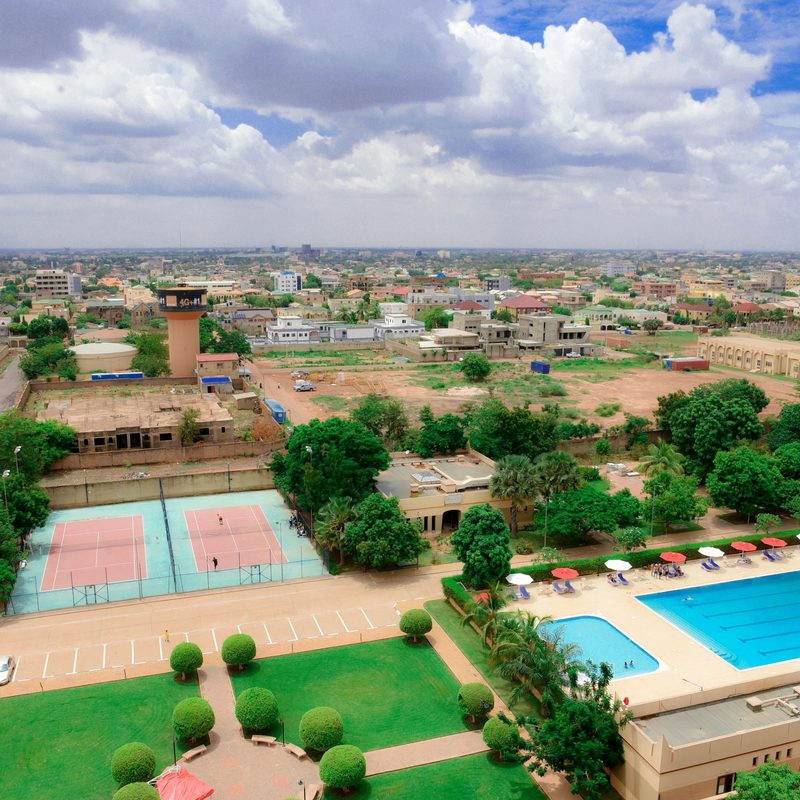
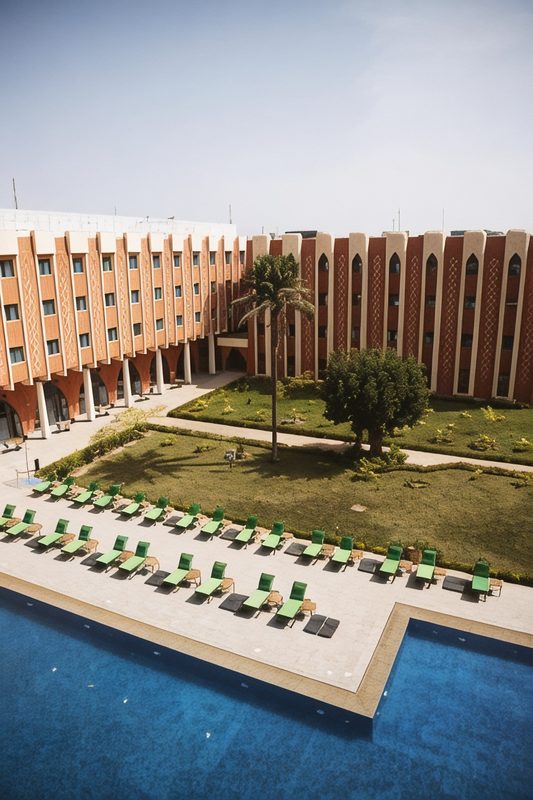
Where to Stay in Burkina Faso in June
Hand-picked hotels across price tiers for June travellers.
Packing Checklist
Bookmark this page — your progress is saved between visits
Need the full list with shopping links?
Climate-specific gear, brand recommendations, and what to leave at home.
View Burkina Faso Packing List →Essential Tips
Insider knowledge and common pitfalls to avoid
Insider Knowledge
The Mooré language greeting rituals are not small talk. When a Mossi person asks you ne y windiga, they are not saying hello and moving on. The exchange that follows, asking after health, family, work, and peace, can run two to three minutes. Each response matters. Learn at least the basics: laafi bala for a general positive response, and wend na kos fo yam as a blessing in return. The concept of neerwaya, a deep social peace and wellbeing that the Mossi consider essential to community life, underpins these exchanges. Rushing a greeting or skipping it marks you as someone who does not understand the culture's values. It quietly closes doors that would otherwise open. A two-minute greeting with a market vendor shifts the entire interaction from transactional to human.
Poulet bicyclette, the free-range grilled chicken that is Burkina Faso's unofficial national dish, varies enormously by neighbourhood and operator. The name comes from lean, muscular birds that roam freely and supposedly resemble cyclists in their skinniness. The best versions are marinated in a pounded ginger-lemon-onion paste, grilled over wood charcoal until the skin blisters and chars at the edges, and served with attieke or tô and a tomato-chilli sauce that builds heat slowly. The maquis bars along Avenue de la Résistance du 17 Mai in Bobo-Dioulasso and the open-air grills in Ouagadougou's Zone du Bois tend to start firing around 6pm as the day's heat fades. The smoke signals are literal: follow the smell of charcoal and scorched poultry skin. Eat where locals crowd onto plastic chairs. Skip the empty tables.
June afternoons follow a predictable rhythm that experienced travelers structure their entire day around. By 1pm the humidity thickens noticeably. The sky builds into towering cumulonimbus stacks. Sometime between 2pm and 5pm the storm arrives. It hits with theatrical force: wind first, sending red dust into horizontal sheets, then twenty to forty minutes of torrential rain that turns the world into noise and water, then an abrupt stop and an evening that smells like wet laterite and fresh green growth. Plan outdoor movement for 7am to noon. Use storm hours for rest or indoor activities. Come out again after 5pm when the air has cooled and the city re-emerges. Locals do exactly this. The rhythm is so reliable that fighting it just means getting soaked and frustrated.
The corridor between Ouagadougou and Bobo-Dioulasso along Route Nationale 1 is currently the safest and most practical overland route in the country. The road is paved and reasonably maintained. The journey takes roughly five to six hours by bus. Security checkpoints are frequent but generally routine if you carry your passport and visa. Do not deviate from this axis without current, ground-level security information from sources physically present in the area. Embassy security briefings, hotel managers who have driven the routes recently, and UN agency staff are the only reliable sources. Social media posts and travel forum advice from people who have not been in-country within the past three months are worse than useless. The security perimeter shifts.
Avoid These Mistakes
Do not mistake Ouagadougou's calm for countrywide accessibility. The capital offers restaurants, decent hotels, and nightlife along Avenue Kwame Nkrumah. This comfort is deceptive. Outside the Ouagadougou-Bobo corridor, security deteriorates fast. The danger is real. It does not reward boldness. Check your government's travel advisory. Take it seriously. Do not let a pleasant maquis bar convince you that warnings are overcautious.
Arriving without antimalarials is a mistake. Do not plan to sort it out locally. Ouagadougou pharmacies stock chloroquine and other antimalarials. But supply is inconsistent and quality control varies. Starting prophylaxis after arrival leaves you unprotected during the highest-risk first days. Consult a travel medicine specialist at least four weeks before departure. Start your course on schedule. June's rains make this essential.
French alone limits you. It handles logistics, hotels, and restaurants. Burkina Faso has over sixty indigenous languages. In Ouagadougou, Mooré dominates. It is spoken by the Mossi majority. Even basic Mooré phrases transform interactions. Mossi greeting culture is formal. Clumsy effort still signals respect. French cannot convey this. A phrasebook beats most items you might pack. Ask hotel staff for help. Worth it.
Ready to plan your trip to Burkina Faso?
Now that you've got the research covered, here's where to go next.
Explore More Activities in Burkina Faso
Didn't see anything interesting yet?
Browse Viator's full catalog of tours, day trips, food experiences, and private guides in Burkina Faso.
See All Burkina Faso Tours on Viator