
Things to Do in Burkina Faso in March
March weather, activities, events & insider tips
Low Season · Budget Friendly
March Weather in Burkina Faso
Temperature, rainfall and humidity at a glance
100°F (38°C)
High Temp
74°F (23°C)
Low Temp
0.2 inches (5 mm)
Rainfall
70%
Humidity
⚠ Intense solar radiation with a UV Index of 8. Sun protection is medically necessary, not optional.
Is March Right for You?
Weigh the advantages and considerations before booking
Advantages
- + The Harmattan has finally packed up and gone. Saharan dust that smothers Burkina Faso from December to February has lifted, so Sahelian plains snap into focus and sunsets burn a clean, fierce orange. Sharp views reward every glance. Worth it.
- + This is the final month of bone-dry weather before the rains. Dirt tracks to remote icons like the Sindou Peaks and the ruins of Loropéni stay firm, so you can reach them without a 4x4. Cultural and natural exploration feels almost easy. Go now.
- + Grand Marché in Ouagadougou and Marché de Bobo in Bobo-Dioulasso overflow with the tail end of the dry harvest. Sweet potatoes, peanuts, and the last intensely fragrant local mangoes pile high. Buy, taste, bargain. Repeat.
- + Tourists are still thin on the ground. You can stand alone with the sacred crocodiles of Bazoulé or inside the mud-brick mosques of Bani. This luxury disappears by late autumn. Enjoy the silence.
Considerations
- − Heat climbs toward its April crescendo. Afternoon thermometers hit 38°C (100°F) and feel worse under the unblinking sun. Midday exploration turns into a slog unless you hydrate hard and observe siesta discipline. Pack water.
- − Rainfall stays minimal. Yet those 10 or so wet days can dump brief, furious sheets. Unpaved urban fringes in Ouagadougou turn into slick chocolate mud, complicating short walks or taxi hops. Watch your step.
- − March sits in a shoulder zone for cultural events. You will miss the big festivals of late autumn and early winter, so village calendars feel quieter. Spontaneous music or ceremonies are rare this month. Plan accordingly.
Best Activities in March
Top things to do during your visit
Sahelian Landscape Photography & Cultural Site Tours
March delivers crystal, dust-free air and phenomenal light. Dawn and dusk throw the Sindou Peaks' sandstone fingers and the thousand-year-old walls of the Loropéni ruins into dramatic relief. Heat dictates an early start. First light brings cool air, soft gold, and near solitude before any midday shower. Photographers rejoice.
Booking Tip: Seek local guides who specialize in cultural heritage tours of the southwest. Sites are remote, so a full-day tour with transport is the only practical route. Book at least a week ahead to secure a knowledgeable guide. See current options in the booking section below.
Traditional Mossi & Bobo Village Homestay Experiences
This is prime time for immersive village stays. Harvest is in, so families have time for visitors. Evenings stay warm enough to sit outside under stars for stories and local music. You will wake to mortars pounding millet for the day's tô and smell woodsmoke curling from breakfast fires. Dry conditions keep simple, open-air rooms comfortable.
Booking Tip: You will rarely find these stays on major online platforms. Arrange through a reputable Ouagadougou-based operator who has long relationships with specific communities. Plan the stay as the cornerstone of a longer trip. Allow at least two nights to settle in.
Bobo-Dioulasso Old Town & Grand Mosque Walking Tours
Bobo-Dioulasso's historic district, with its Sudano-Sahelian architecture and labyrinthine lanes, demands an early morning on foot. Air carries the scent of wet clay from overnight dew and the clink of artisans already smithing metal. Visit the Grand Mosque, a masterpiece of mud-brick architecture, before later months bring heavy rains and constant repairs that can limit access. Go early.
Booking Tip: Guided walking tours are essential here. History and cultural nuance run deep. Choose tours that include mosque entry and a stop inside a traditional craftsman's compound. Morning tours beat the heat. Book a few days ahead through local operators.
National Museum of Music & Live Traditional Music Evenings
Ouagadougou's National Museum of Music is excellent, and March's low season lets you linger without crowds. Handle replica instruments, feel the gourds and skins. This tactile immersion primes you for live music later. Venues like the legendary 'Café de la Gare' often host spontaneous, local-focused nights where balafon and djembe rhythms roll through warm darkness. Feel the beat.
Booking Tip: No need to book the museum far ahead. For live music, ask your hotel concierge or a local guide the same day. The best gigs are advertised by word of mouth or simple handwritten signs. Weekend nights are your safest bet.
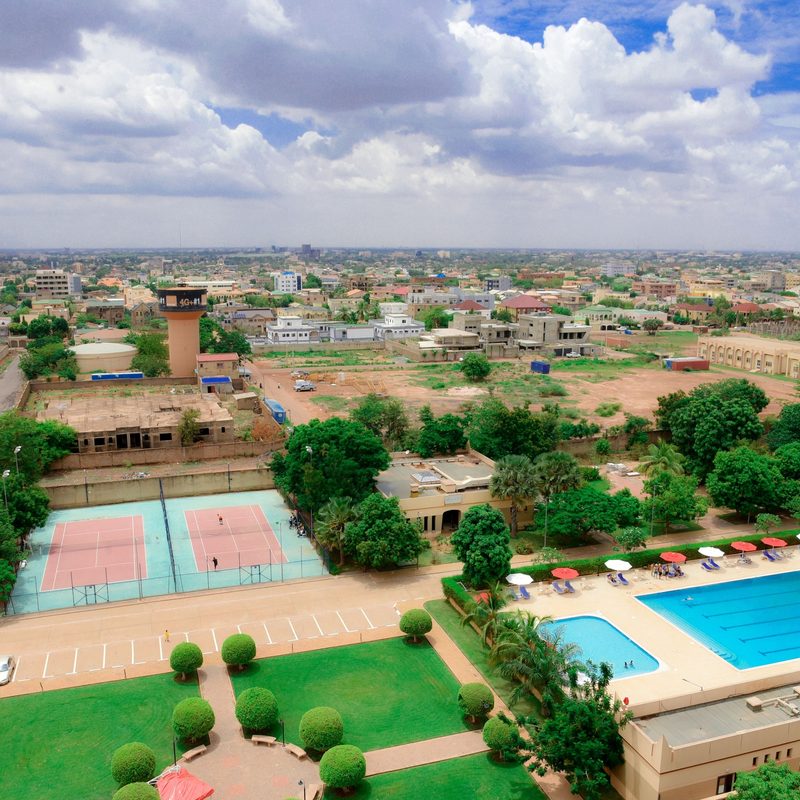
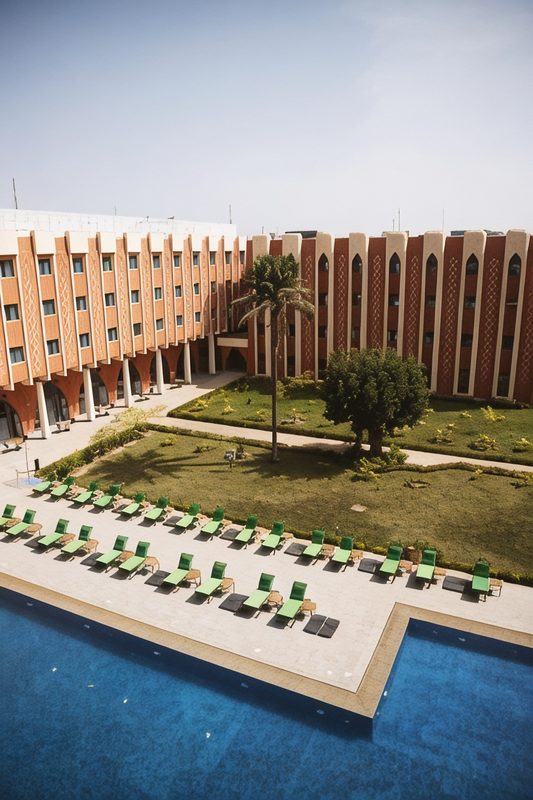
Where to Stay in Burkina Faso in March
Hand-picked hotels across price tiers for March travellers.
Public Holidays in March
Dates that affect opening hours, transport and crowds
International Women's Day
Observed nationwide as a public holiday.
Easter Monday
Observed nationwide as a public holiday.
International Women's Day
Observed nationwide as a public holiday.
Packing Checklist
Bookmark this page — your progress is saved between visits
Need the full list with shopping links?
Climate-specific gear, brand recommendations, and what to leave at home.
View Burkina Faso Packing List →Essential Tips
Insider knowledge and common pitfalls to avoid
Insider Knowledge
The best 'restaurant' in Ouagadougou is often someone's courtyard. Ask a trusted local guide if they know of a family preparing riz gras or poulet bicyclette for a few guests. It's a splurge for a guided experience. The flavor and the insight are unmatched.
For a local breakfast, skip the hotel buffet. Find a street vendor selling fritters (beignets) and café touba, a strong, spiced coffee. The corner near the Grande Mosquée in Ouagadougou is a good bet around 7 AM.
If you hear the deep, resonant sound of the bendré drum in a village, it might signal a funeral ceremony. These are significant cultural events. Never intrude or take photos unless explicitly invited by a community elder.
When hiring a taxi for the day, negotiate a flat rate, not the meter. Always confirm whether the price includes fuel and the driver's lunch. It's a standard practice that avoids confusion later.
Avoid These Mistakes
Underestimating the sun and heat is a rookie error. Attempting a full day of sightseeing without a long midday break in air conditioning is a fast track to heat exhaustion.
Packing only shorts and tank tops is a mistake. This attire is considered disrespectful in many settings, outside the capital. You'll be denied entry to mosques and may make locals uncomfortable.
Trying to see too much of the country in a short trip is futile. Distances are vast, roads are slow, and internal flights are limited. Focus on one or two regions, like the Southwest (Bobo, Sindou) or the Central Plateau.
Ready to plan your trip to Burkina Faso?
Now that you've got the research covered, here's where to go next.
Explore More Activities in Burkina Faso
Didn't see anything interesting yet?
Browse Viator's full catalog of tours, day trips, food experiences, and private guides in Burkina Faso.
See All Burkina Faso Tours on Viator